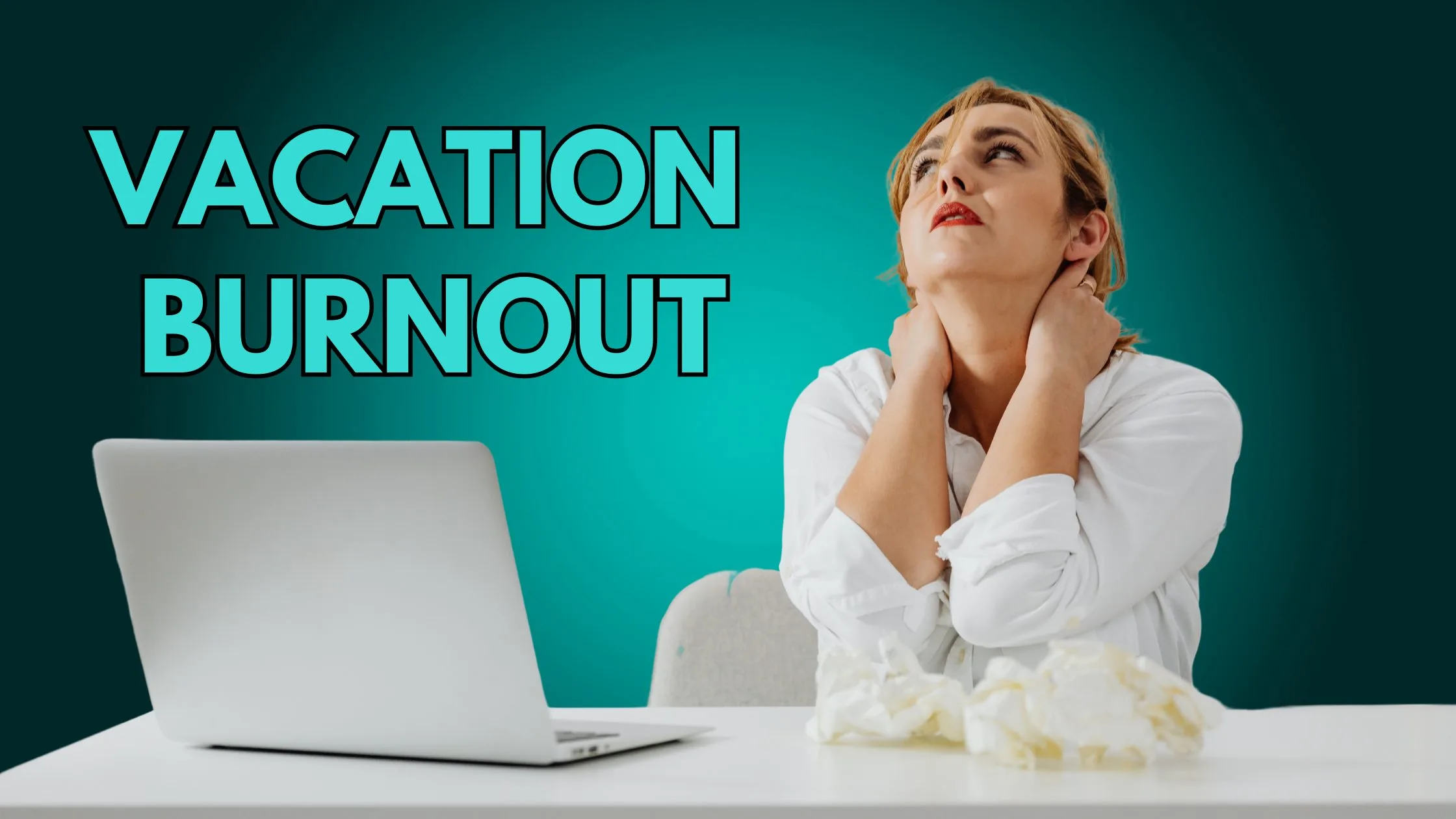
Why You Come Back From Vacation More Tired Than You Left
You come back from vacation, unpack your bag, and tell yourself you’ll ease back into things.
By noon on your first day back, you’re already exhausted.
Not jet-lag tired.
Not “I stayed up too late” tired.
The kind of tired that makes you stare at your screen and think, Why do I need a vacation after my vacation?
If that sounds familiar, you’re not broken. You’re experiencing something a lot of people quietly deal with and rarely talk about.
Vacations Are Supposed to Be Restful. So Why Aren’t They?
Somewhere along the way, vacations started carrying a lot of responsibility.
They’re supposed to:
- recharge you
- justify the money
- make the time off feel “worth it”
- produce memories, photos, stories
- somehow undo months of stress
That’s a lot to ask of a few days away.
So we plan trips like projects. Efficient. Optimized. Carefully packed with just enough activity to feel productive, but not so much that we admit we’re overwhelmed.
And then we’re surprised when we come home needing a break.
Vacations Still Ask You to Be “On”
Here’s the part that rarely gets named.
Even on vacation, you’re often still:
- navigating airports
- watching the clock
- coordinating timing
- choosing where to eat
- adjusting plans when something changes
- making sure nothing falls apart
You may not be working, but you’re still managing.
Research on decision fatigue shows that the brain becomes mentally exhausted from making repeated decisions, even small or enjoyable ones. According to the American Psychological Association, constant decision-making drains cognitive energy over time, especially when routines are disrupted.
Travel removes your normal routines and replaces them with constant choices. That mental load doesn’t disappear just because the view is better.
Time Away Isn’t the Same Thing as Relief
We tend to treat time off and rest like they’re interchangeable.
They’re not.
Psychologists who study recovery from stress point out that real rest requires psychological detachment, not just physical absence. In other words, your brain needs distance from demands, not just a different location.
When vacations stay mentally busy, that detachment never fully happens.
You can take time away from work and still carry:
- decision fatigue
- emotional load
- mental clutter
- the pressure to “enjoy every minute”
Sometimes the problem isn’t that you didn’t get away long enough. It’s that you never actually got to stop.
Burnout Doesn’t Disappear Just Because You Traveled
This is where expectations really trip people up.
We expect vacations to reset everything. To flip some internal switch so we come back refreshed, motivated, ready to go.
When that doesn’t happen, it feels personal. Like you wasted your time. Like you did something wrong.
But burnout isn’t caused by a lack of travel.
The World Health Organization defines burnout as a result of chronic stress that hasn’t been successfully managed, not simply a lack of time off.
That’s why a few days away doesn’t always deliver the reset people hope for.
A Lot of Vacations Are Built to Look Good, Not Feel Good
Here’s the uncomfortable truth.
Many trips are designed to be impressive. Packed. Optimized. Full of highlights.
They look great in photos.
They make good stories later.
But research shows that unfamiliar environments, disrupted sleep, and constant stimulation can increase mental fatigue, even during enjoyable experiences.
Fun can still be draining. Beautiful can still be exhausting. And just because you enjoyed parts of a trip doesn’t mean it actually gave you what you needed.
A lot of vacations are built to look good, not to feel good in your body.

This Doesn’t Mean You’re Bad at Taking Vacations
Let’s clear this up.
Coming back tired doesn’t mean:
- you planned poorly
- you chose the wrong destination
- you don’t appreciate travel
- you failed at relaxing
It usually just means the trip didn’t match the season you’re in or the kind of rest you were craving.
Most people aren’t bad at taking vacations.
They’re just very good at pushing through exhaustion and calling it normal.
Sometimes You Don’t Need More Vacation…You Need a Different Kind of One
Not every trip needs to be full.
Not every day needs a plan.
Not every vacation needs to be impressive.
Sometimes what actually helps is:
- fewer transitions
- fewer decisions
- less stimulation
- more room to breathe
That kind of travel doesn’t always sound exciting when you describe it. But it feels very different when you’re living it.
Wanting Rest Isn’t a Failure
If you’ve ever come back from a trip and thought, Why am I still tired? there’s nothing wrong with you.
You didn’t waste your time off.
You didn’t miss some secret rule.
You didn’t do it wrong.
You just learned something important about what your version of rest actually looks like.
And that’s not a problem to solve.
It’s information.
This Is Where I Come In
If you’ve ever come back from a trip more tired than you left, it doesn’t mean you need to travel more. It usually means you need to travel differently.
This is the part of planning I care most about.
Not squeezing in more.
Not building itineraries that look impressive but feel exhausting.
Not planning trips that require recovery time.
I help people figure out what kind of break they actually need before we ever talk about destinations. The goal isn’t a perfect trip. It’s a trip that gives something back instead of taking more.
If this post felt uncomfortably familiar, you don’t have to figure that out on your own.
Sometimes the most helpful part of planning isn’t the destination.
It’s having someone ask better questions.